Tashkent · Sights
Museum in Memory of the Victims of Repression, Tashkent
The Museum in Memory of the Victims of Repression (Shahidlar Xotirasi) in Tashkent: what it covers, the memorial park, opening hours and tickets, how to get there, how long to spend and what is nearby.
The Museum in Memory of the Victims of Repression stands in the Shahidlar Xotirasi (“Memory of the Martyrs”) memorial park in northern Tashkent, near the TV tower. Opened in 2002, it tells the story of repression in Uzbekistan from the Russian conquest through the Soviet period, especially the purges of 1937–1938, when many people were executed near this site.
What is the museum about?
The museum covers more than a century of Uzbek history from the point of view of those who suffered under colonial and Soviet rule: the Russian conquest of the 19th century, the uprising of 1916, the Basmachi resistance of the 1920s, collectivisation and the deportation of “kulak” farmers, the Great Terror of 1937–1938, in which much of the Uzbek political and intellectual elite was killed, and later campaigns, including the so-called “cotton affair” of the 1980s. Displays include documents, photographs, personal belongings and reconstructions.
The memorial park
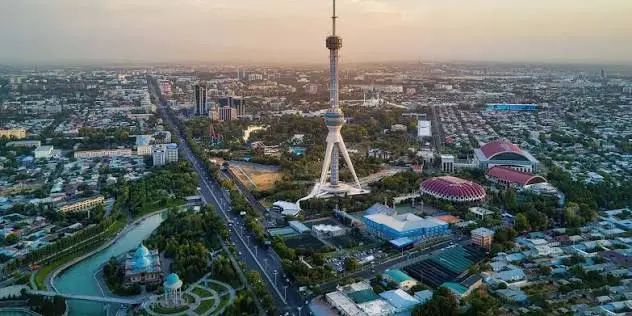
The museum is a domed building in the Shahidlar Xotirasi park, laid out on the bank of the Bozsu canal, where, according to research after independence, victims of the 1937–1938 purges were shot and buried in mass graves. The park has a memorial pavilion with columns, alleys of trees and a quiet atmosphere. 31 August is marked in Uzbekistan as the Day of Remembrance of the Victims of Repression, and ceremonies are held here.
Writers and scholars remembered
Among those remembered are leading Uzbek writers and thinkers of the early 20th century, such as Abdulla Qodiriy, author of the first Uzbek novel, the poet Cho‘lpon and the reformer and playwright Abdurauf Fitrat, all executed in 1938. Their portraits and works are shown in the museum. For Uzbeks, their fate is a central part of national memory.
Opening hours and tickets
The museum is usually open Tuesday to Sunday in the daytime and closed on Mondays; check current hours before you go. There is a modest entrance fee for foreign visitors. Labels are mostly in Uzbek, Russian and English; a guide or audio explanation helps to follow the story.
How to get to the museum
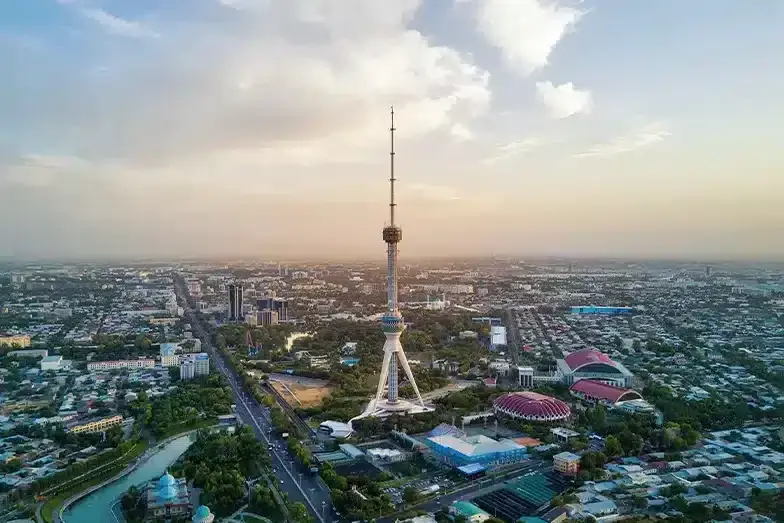
The park is in the north of central Tashkent, next to the Tashkent TV tower and close to the botanical garden area. Take a taxi (about 15 minutes from the centre) or the metro to Bodomzor station on the Yunusobod line, then walk about 10 minutes. See the Tashkent metro.
How long do you need?
Allow about an hour for the museum and a walk through the park. It combines naturally with the TV tower, which is a few minutes away. If you are interested in the period, add time for the documents and personal letters in the side halls, which tell individual stories of families separated by arrest and deportation.
Who were the Jadids?
Many of those remembered here belonged to the Jadid movement, reformers of the late 19th and early 20th century who wanted to modernise Muslim society in Central Asia through new-method schools, newspapers, theatre and literature in the local languages. After 1917 some Jadids cooperated with the Soviet authorities, hoping to build a modern Uzbek nation; in the 1930s almost all of them were arrested and killed. Today the Jadids are honoured in Uzbekistan as pioneers of national culture, and their portraits appear in museums and schools. Understanding their story helps to make sense of the exhibits and of Uzbek literature of the 20th century.
Is it worth visiting?
Yes, for anyone who wants to understand modern Uzbekistan beyond its Silk Road monuments. The museum is small, but it explains the 20th-century history that shaped the country and its people. It is a place of remembrance, so behave quietly and respectfully.
What to see nearby
- the Tashkent TV tower, with views over the city;
- the Tashkent botanical garden and the Japanese garden;
- the Minor mosque on the bank of the Ankhor canal.
Frequently asked questions
When did the Museum of Victims of Repression open?
In 2002, in the Shahidlar Xotirasi memorial park.
Where is the Museum of Victims of Repression in Tashkent?
In the Shahidlar Xotirasi park next to the Tashkent TV tower, about 15 minutes by taxi from the centre.
Is the museum open on Mondays?
It is usually closed on Mondays; check current hours before visiting.
What is remembered on 31 August?
The Day of Remembrance of the Victims of Repression, with ceremonies at the memorial park.
Rules, timetables and prices change. We check this page regularly, but always confirm entry requirements with official sources before you travel.