Nukus · When to go
Nukus weather by month
Average temperatures and rainfall in Nukus month by month, how the shrinking Aral Sea has made the climate harsher, the best seasons for the Savitsky Museum, the desert fortresses and the Aral Sea, and what to pack.
Nukus has a harsh continental desert climate: hot, dry summers with July highs around 34–36 °C, and cold winters with January nights around −9 °C. Rain is very scarce and wind and dust are common. The best months to visit, especially for the Aral Sea, are late April–May and September–early October.
Nukus climate at a glance
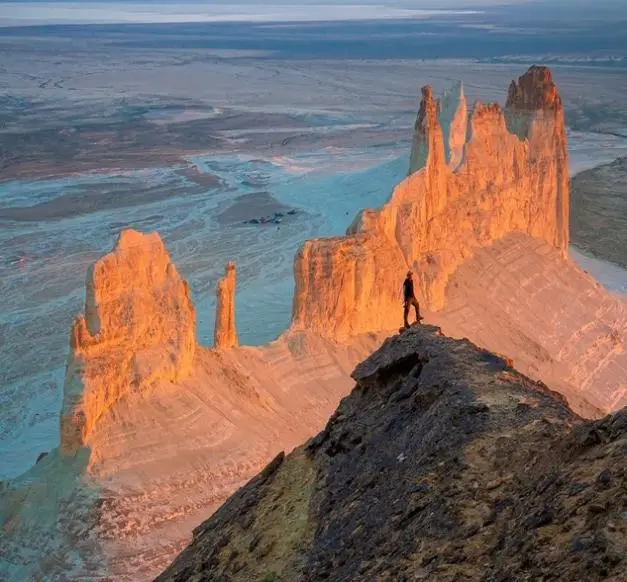
Nukus, capital of Karakalpakstan, lies on the lower Amu Darya at about 75 metres above sea level, between the Kyzylkum desert to the east and the Ustyurt Plateau to the west. It is one of the most continental places in Central Asia: far from the oceans, open to cold Siberian air in winter and to hot desert air in summer.
The climate has become harsher since the Aral Sea began to shrink in the 1960s. The sea once moderated temperatures in the region; now summers are hotter and drier, winters colder, and dust and salt storms blow from the dry seabed.
The table gives approximate long-term averages; individual years vary considerably.
| Month | Avg high (°C) | Avg low (°C) | Rain | What it feels like |
|---|---|---|---|---|
| January | 0–1 | −9 | very low | Freezing, windy |
| February | 3 | −7 | very low | Cold, grey or bright |
| March | 11 | 0 | low | Cool, windy |
| April | 21 | 7 | low | Mild, spring |
| May | 28 | 14 | low | Warm, bright |
| June | 33 | 19 | almost none | Hot, dry |
| July | 35 | 21 | none | Hottest month |
| August | 33 | 18 | none | Hot, dusty |
| September | 27 | 11 | none | Warm, clear |
| October | 18 | 4 | very low | Mild days, cold nights |
| November | 9 | −1 | low | Cold, first frosts |
| December | 2 | −6 | low | Freezing |
Spring (March–May)
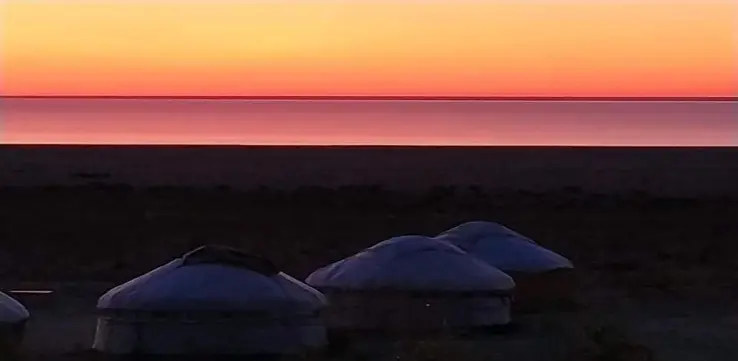
March is still cold, with strong winds and occasional dust storms; nights are near freezing. From mid-April, the weather turns mild and pleasant, and the desert briefly turns green after the scant spring rain. May is one of the best months: warm, sunny days, not yet too hot, ideal for the desert fortresses and the 4x4 journey to the Aral Sea over the Ustyurt Plateau. Nights in yurt camps are still cool.
Summer (June–August)
Summer is hot and very dry. Afternoon temperatures regularly reach the mid-30s and heatwaves go above 40 °C. The sun is intense and there is little shade. Dust storms can blow in from the dry Aral seabed and the deserts. The Savitsky Museum is a cool refuge during the day; visit open-air sites such as the Mizdakhan necropolis in the early morning or late afternoon. Trips to the Aral Sea are possible, but the heat makes them tiring.
Autumn (September–November)
September is excellent: warm, clear and calm, with comfortable nights. Melons and grapes are in season. Early October is still good, with mild days, though nights in the desert can approach freezing, so bring warm layers for a yurt camp. By November, the weather turns cold and grey, with the first frosts; Aral Sea trips usually stop for the season.
Winter (December–February)
Winter in Nukus is long and cold. Temperatures often stay below freezing all day in January, and cold winds make it feel colder. Snow falls occasionally but is usually light. The city is quiet, and the museum can still be visited, but desert trips are uncomfortable and tracks to the Aral Sea may be impassable. If you come in winter, dress for real cold.
Best time to visit
For the Aral Sea and Ustyurt: late April to early June and September to early October. Most yurt camps on the Aral shore open only in this period.
For the Savitsky Museum and the city: any time of year, though spring and autumn are most comfortable.
For the desert fortresses: April–May and September–October; in summer, go early in the morning.
Note that Nukus is noticeably colder in winter and earlier in autumn than Khiva or Bukhara, and much colder than Termez in the south.
What to pack
Spring and autumn: layers for warm days and cold nights, a windproof jacket, a warm fleece or down jacket for the desert, comfortable walking shoes, sunglasses, sunscreen and a hat.
Summer: light, loose clothing covering arms and legs against the sun, a wide hat, a scarf or buff against dust, and plenty of water.
Winter: a heavy coat, hat, gloves and warm boots.
Lip balm and moisturiser help in the very dry air. For an Aral Sea trip, add a torch and warm sleeping clothes. See things to do in Nukus and how to get to Nukus.
Frequently asked questions
What is the best time to visit Nukus?
Late April–May and September–early October, especially if you plan a trip to the Aral Sea.
How cold does Nukus get in winter?
January averages around 0 °C by day and −9 °C at night, with colder spells and wind.
How has the Aral Sea affected the climate of Nukus?
Its shrinking has made summers hotter and drier, winters colder, and dust and salt storms more frequent.
Rules, timetables and prices change. We check this page regularly, but always confirm entry requirements with official sources before you travel.