Nukus · Planning
Things to do in Nukus
The best things to do in Nukus, capital of Karakalpakstan, from the Savitsky Museum’s forbidden art to the Mizdakhan necropolis, Chilpik, the bazaar, Karakalpak culture and trips to the Aral Sea and the desert fortresses.
In Nukus, start with the Savitsky Museum and its famous collection of avant-garde art. Then visit the Mizdakhan necropolis and the fortress of Gyaur Kala, stop at the Chilpik tower of silence, and explore the central bazaar. Nukus is also the base for trips to Muynak and the Aral Sea. One full day is enough for the city.
Why go to Nukus
Nukus is the capital of Karakalpakstan, an autonomous republic in the north-west of Uzbekistan, home of the Karakalpaks, a Turkic people related to the Kazakhs. The city itself is young: it grew mainly in the Soviet period, with broad avenues and low concrete buildings, and lacks the ancient monuments of Khiva or Bukhara.
But Nukus has one of the most extraordinary museums in Central Asia, and it sits in the middle of a region of ancient fortresses, sacred hills and the drama of the Aral Sea. It is a place for curious travellers rather than a classic tourist city, and that is part of its charm.
1. The Savitsky Museum
The reason most people come. The Savitsky Museum holds tens of thousands of works, including Russian and Uzbek avant-garde paintings of the 1910s–1930s saved from Soviet censorship by the collector Igor Savitsky. Its halls of Karakalpak jewellery and costumes and finds from ancient Khorezm are just as fascinating. Allow at least half a day and consider booking an English-speaking museum guide.
2. Mizdakhan and Gyaur Kala
About 20 km west of the city, the Mizdakhan necropolis covers a sacred hill used for burials for more than two thousand years. See the half-underground Mazlum Khan Sulu mausoleum, the long tomb of Shamun Nabi and the piles of bricks left by pilgrims to delay the end of the world. Across the road, the walls of Gyaur Kala offer wide views. Go in the late afternoon.
3. Chilpik
On the road south towards Khiva, the ring-shaped Chilpik on its lonely hill is thought to be a Zoroastrian tower of silence, where the dead were exposed to the birds. The short climb rewards you with views over the Amu Darya. It is an easy stop on the way to or from Khiva.
4. The bazaar and Karakalpak food
The central bazaar is the place to see daily life: piles of melons, dried fish from the delta, bread, spices, felt and household goods. Karakalpak cuisine shares a lot with Kazakh and Uzbek cooking. Try beshbarmak, boiled meat with flat noodles; fish from the Amu Darya delta; plov; and in summer the region’s famous melons. Simple cafés and chaikhanas are cheap and friendly.
5. Karakalpak culture
Karakalpak culture is still alive in music, crafts and family life. Ask about performances of the jyrau, singers of epic poems accompanied by the kobyz, and the baqsy, singer-musicians with the dutar. Workshops and shops in the city sell felt, embroidery and copies of the silver jewellery you see in the museum. Families still put up yurts for weddings and celebrations.
6. The Aral Sea and Muynak
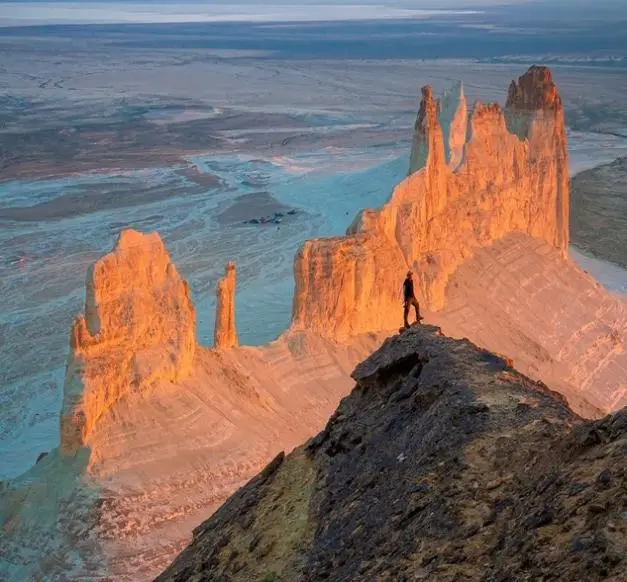
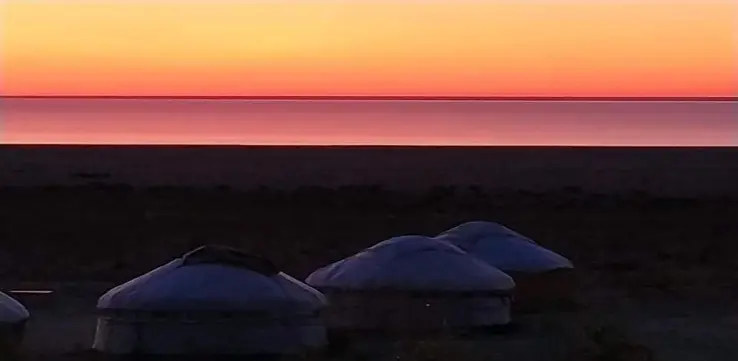
Nukus is the starting point for trips to Muynak, once a fishing port on the Aral Sea, now far from the water. Its ship cemetery on the old seabed is a haunting reminder of one of the world’s worst environmental disasters. To reach the remaining sea, you need a 4x4 and usually a night in a yurt camp, crossing the Ustyurt Plateau and passing Sudochie Lake. See our Aral Sea and Karakalpakstan tour.
7. The desert fortresses
Between Nukus and Khiva lie the desert fortresses of ancient Khorezm: Toprak Kala, Kyzyl Kala, Ayaz Kala and Big Guldursun. They are a natural stop on the drive between the two cities, and a night in the yurt camp at Ayaz Kala is a memorable experience.
Where to stay and eat
Nukus has a small choice of hotels, from simple guesthouses to mid-range city hotels, most of them near the centre and within a short taxi ride of the Savitsky Museum. Book ahead in spring and autumn, when tour groups heading to the Aral Sea fill the better rooms. Restaurants are mostly simple: Uzbek and Karakalpak dishes, shashlik, salads and soups, with some cafés serving European-style food. Prices are lower than in Khiva or Samarkand.
How long to stay and when to go
One day is enough for the Savitsky Museum and Mizdakhan; add a day if you continue to Muynak, and two or three for the Aral Sea itself. Many travellers visit Nukus as a long day trip from Khiva, combined with the fortresses and Chilpik.
The best seasons are April–May and September–October. Summers are very hot and dry; winters are cold and windy, with temperatures well below freezing. See how to get to Nukus for flights, trains and roads.
Frequently asked questions
Is Nukus worth visiting?
Yes, for the Savitsky Museum, one of Central Asia’s great art collections, and as the base for the Aral Sea and the desert fortresses.
How many days do you need in Nukus?
One day for the museum and Mizdakhan; two to four days if you add Muynak and the Aral Sea.
Can you visit Nukus as a day trip from Khiva?
Yes. It is about three hours each way; a long day can include the fortresses, Chilpik and the museum.
Rules, timetables and prices change. We check this page regularly, but always confirm entry requirements with official sources before you travel.